
Why an Electrician Must Install A Power Transfer Switch
A power transfer switch is an essential component of a home backup power system. It allows homeowners to safely connect a generator to their electrical system during an outage, helping maintain access to important appliances and equipment. However, installation requires technical knowledge, careful planning, and an understanding of electrical safety regulations. Hiring a qualified electrician helps ensure the transfer switch operates reliably and protects the home and its occupants.
Understanding Electrical Systems and Safety
Recognizing Complex Electrical Requirements
Residential electrical systems contain multiple circuits and components that must work together. A transfer switch must be compatible with the existing setup to distribute generator power safely. An electrician understands how these components interact and can identify potential problems before installation. This knowledge helps prevent improper connections, overloaded circuits, and other hazards.
Backup power is an important consideration for homeowners preparing for unexpected outages. According to Electrek, only 15% of residents currently have backup power. As more households consider generators, professional installation becomes increasingly important for maintaining a safe and dependable system.
Following Electrical Codes and Standards
Electrical installations must comply with national and local safety codes covering wiring, circuit protection, and equipment placement. Failing to follow these regulations can create fire hazards, electrical failures, and insurance complications. A qualified electrician understands applicable standards and completes the installation accordingly, helping protect homeowners and their property.
Preventing Electrical Hazards
Incorrect connections can cause electric shocks, equipment damage, and fires. A transfer switch must be wired properly to prevent generator power from feeding back into utility lines, which could endanger utility workers. Professionals understand how to establish safe connections, verify circuit protection, and identify hazards that might otherwise go unnoticed.
Applying Proper Installation Techniques
Evaluating Household Power Requirements
Before selecting a transfer switch, homeowners must understand how much electricity their essential appliances require. A professional evaluates the household's electrical load to determine which circuits should receive backup power. Refrigerators, heating equipment, and lighting may have different energy demands. Accurate calculations help prevent overloading the generator while ensuring the system supports household priorities during an outage.
Selecting the Appropriate Transfer Switch
Transfer switches come in manual and automatic configurations. A manual switch requires someone to operate it when utility power is interrupted, while an automatic model detects an outage and changes the power source without manual intervention. Choosing the right option depends on the generator, electrical panel, and household requirements. Professional recommendations help homeowners select compatible equipment.
Integrating New Equipment With Existing Wiring
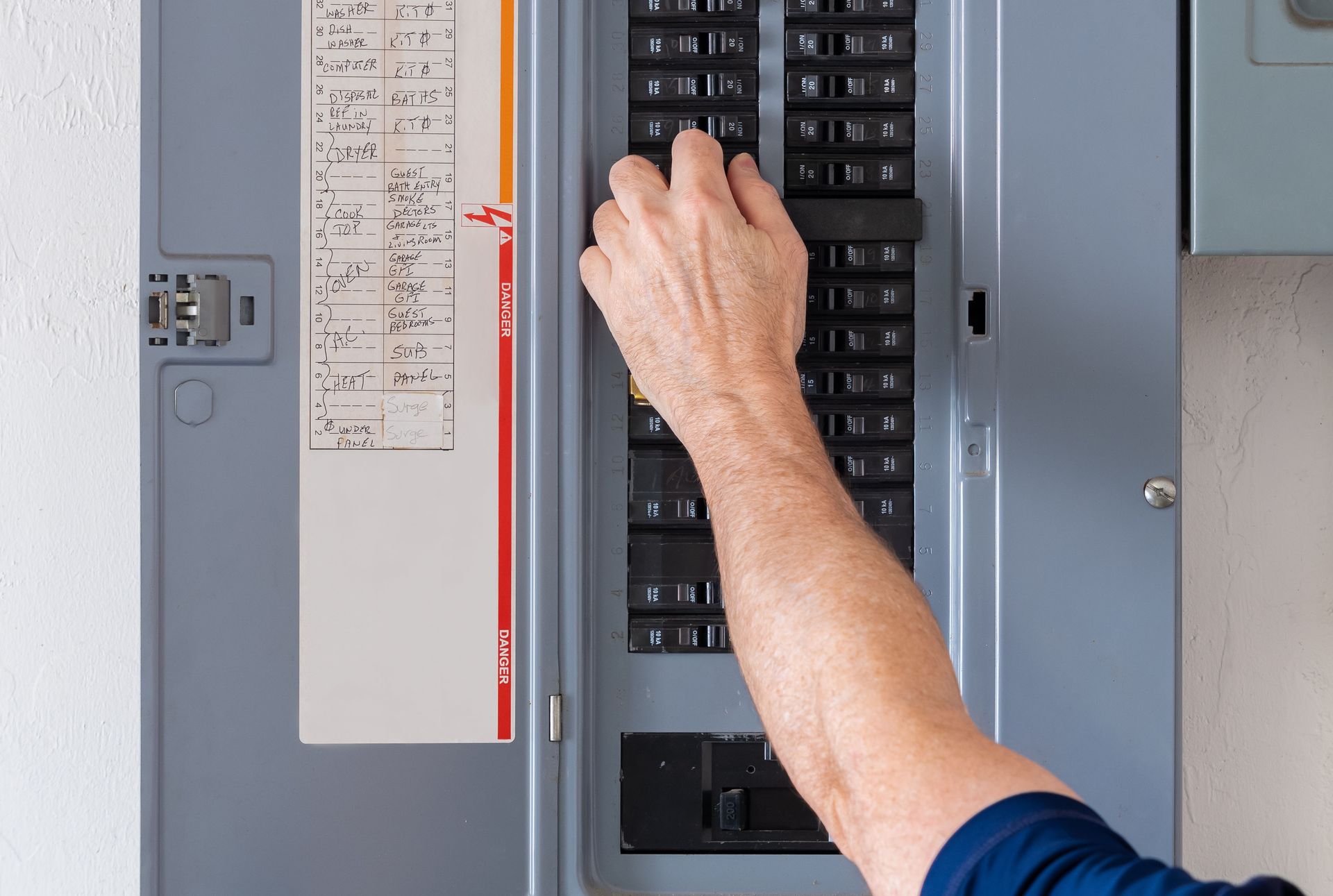
Connecting a transfer switch to an electrical panel requires careful planning. The installer must determine where the equipment should be positioned and how its connections will interact with existing wiring. An electrician can assess the existing infrastructure and make sure the new equipment integrates properly without interfering with other electrical components.
Testing Connections and System Performance
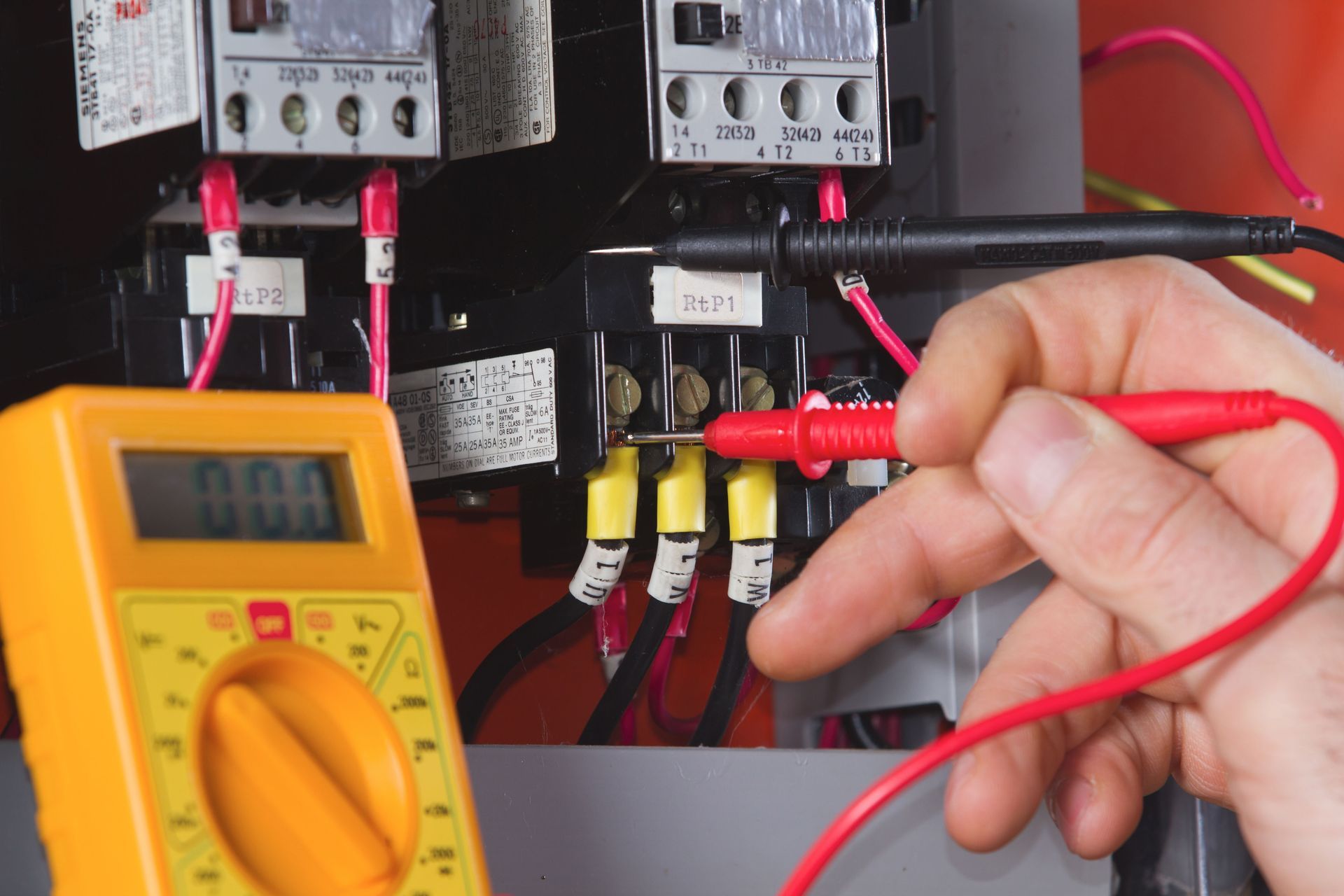
After installation, the entire system must be tested to verify that the transfer switch works properly with the generator and distributes electricity as intended. Professionals check connections, confirm that selected circuits receive power, and evaluate transitions between utility and generator power. These tests help identify problems before an actual outage occurs.
Meeting Legal and Regulatory Requirements
Understanding Local Building Regulations
Electrical work is subject to building regulations that vary by location. These requirements may address equipment placement, wiring methods, grounding, and circuit protection. An experienced electrician understands how applicable codes affect transfer switch installations. Following these standards helps reduce safety risks and prevents complications during future property inspections or electrical projects.
Securing Required Permits and Inspections
Some installations require permits and inspections to confirm that electrical modifications meet established safety standards. A professional can determine which approvals are necessary and coordinate the appropriate steps. Proper documentation may also help homeowners avoid complications when selling their property or completing additional improvements.
Coordinating With Utility Providers
Depending on the installation, coordination with the local utility provider may be necessary. A transfer switch must isolate the home's electrical system from utility power when the generator operates. This prevents electricity from traveling backward through power lines and creating dangerous conditions. Professionals understand these requirements and account for them during installation.
Improving Efficiency and System Reliability
Optimizing Generator Performance
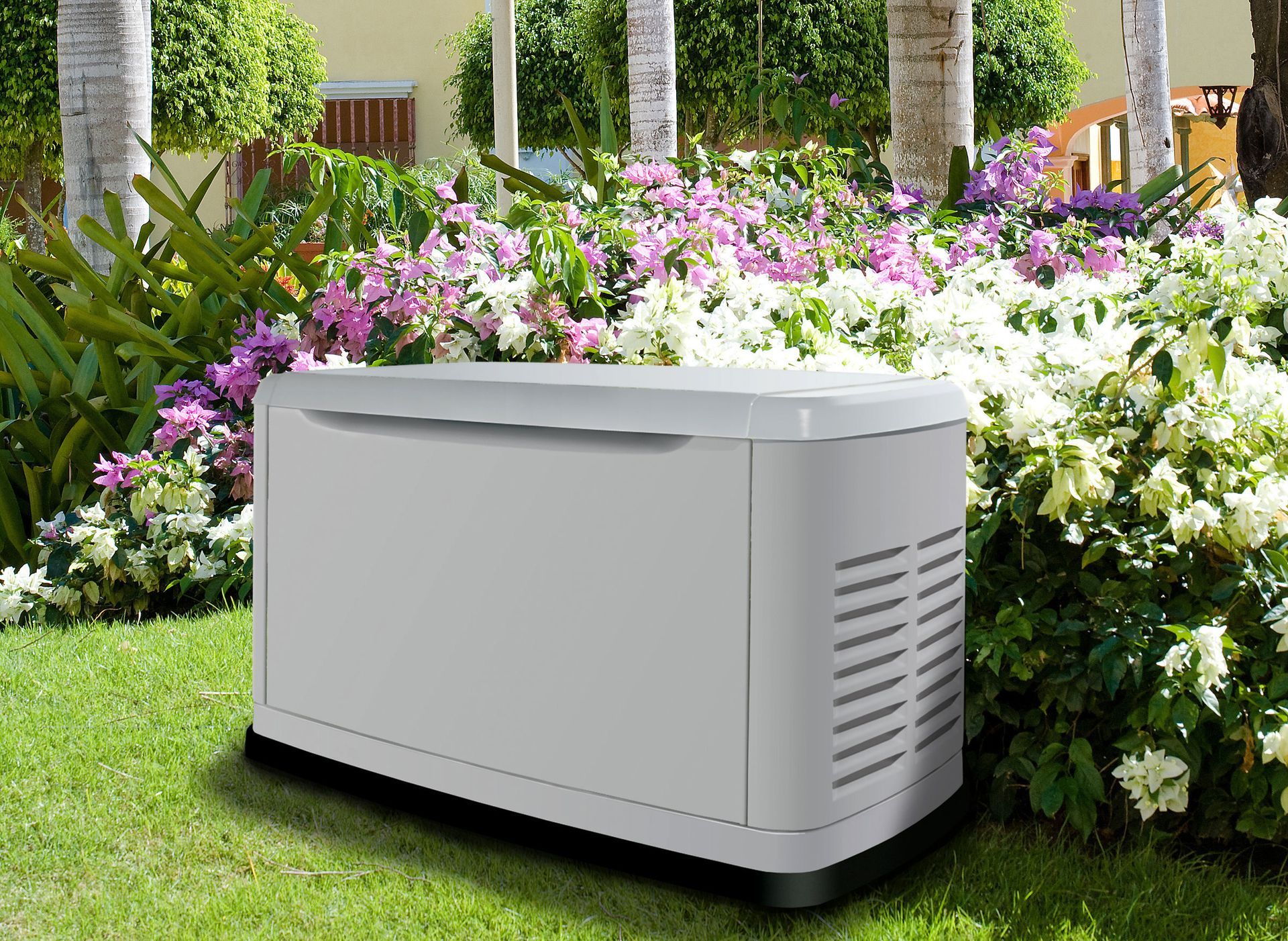
A properly installed transfer switch helps a generator deliver electricity to designated household circuits. Selecting appropriately sized wiring and compatible equipment supports consistent performance while reducing unnecessary strain. An electrician can also help homeowners determine which appliances should receive priority during an outage, allowing available generator capacity to be used effectively.
Reducing the Risk of Equipment Damage
Sudden changes in electrical supply can affect sensitive electronics and household appliances. Properly configured transfer equipment helps manage the transition between utility and generator power. Professionals can also evaluate whether additional surge protection is appropriate for the home's electrical setup. These precautions help reduce the potential for equipment damage.
Supporting Smooth Power Transitions
When utility power becomes unavailable, homeowners need their backup systems to operate as expected. A correctly installed transfer switch provides a controlled transition between power sources. Automatic systems make this change with minimal manual involvement, while manual systems provide a straightforward switching process. Proper installation supports dependable operation in either configuration.
Protecting Long-Term Equipment Performance
Improper wiring, overloaded circuits, and incompatible equipment can place unnecessary stress on backup power components. Professional installation helps prevent these problems by keeping the system within its intended operating limits. Routine inspections and maintenance further support reliable performance and help identify developing issues.
Maintaining and Troubleshooting Backup Systems
Identifying Potential Installation Problems
Loose connections, damaged components, and changes to household electrical demands may affect system performance. Professionals can inspect the transfer switch and identify problems that might otherwise be difficult to recognize. Early troubleshooting helps prevent minor concerns from becoming more serious electrical issues.
Scheduling Routine Maintenance
Regular maintenance helps keep backup power equipment ready for unexpected outages. Inspections may include checking wiring connections, examining components, and testing switch operation. Homeowners should also follow manufacturer recommendations for maintaining their generators. Consistent attention to these tasks supports dependable performance when the system is needed.
Addressing Repairs and Necessary Upgrades
Changes in household electrical demands or advancements in backup power technology may eventually make an existing transfer switch less suitable. A professional can evaluate whether repairs or upgrades are appropriate and determine whether the current setup can accommodate additional equipment or circuits.
Protecting Homeowners' Investments and Peace of Mind
Avoiding Expensive Installation Mistakes
Attempting to install a transfer switch without proper training can lead to wiring mistakes, damaged equipment, and dangerous electrical conditions. Correcting these problems may cost more than arranging professional installation from the beginning. Hiring a qualified electrician reduces the likelihood of preventable errors and supports a safer setup.
Protecting Equipment and Property Value
A backup power system represents an investment in household convenience and preparedness. Proper installation helps protect the generator, electrical panel, and connected appliances from problems caused by incompatible equipment or incorrect wiring. Maintaining installation records and following applicable regulations can also benefit homeowners during future property improvements.
Receiving Professional Guidance and Support
Homeowners may have questions about generator sizing, transfer switch operation, and maintenance schedules. Working with a qualified professional provides practical guidance throughout the installation process. This support helps homeowners understand how their systems operate and what steps they should take to maintain them.
A power transfer switch helps maintain access to electricity during unexpected outages, but its effectiveness depends on proper installation. From evaluating household power requirements to following electrical codes and testing system performance, professional involvement supports safety and reliability. Homeowners considering a generator or upgrading an existing backup system should work with a qualified electrician rather than attempting a complicated installation themselves. Contact Valvo Electric to discuss your backup power needs and learn how professional electrical services can help prepare your home for future outages.



Share On: